Decide which holiday you are on
If the group is committed to parks, eat well at breakfast and book one serious dinner. Do not call that a food tour. If the group wants a tasting day, leave the strip and read this page as a hinterland planner. Mixing both on the same Saturday is how someone cries in a car park.
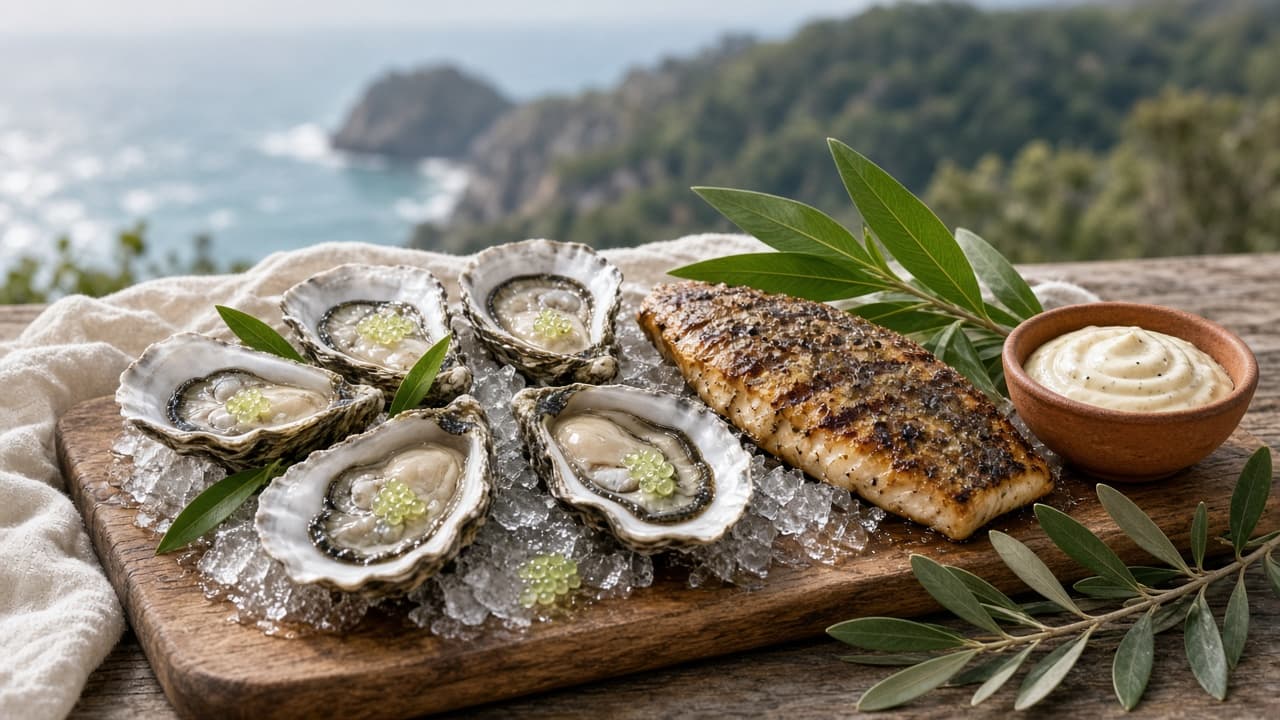
Hinterland tables — mountain, farm, long lunch — are the Gold Coast’s actual food identity. Coastal seafood can be excellent when the fish is the point; it is ordinary when the view is doing all the work. Seafood experiences still apply: morning ice, honest species, no invented specials.
Destination Gold Coast publishes hinterland drives. Use them for roads. Use the venue for wet-weather access. Summer storms and winter school holidays both change the calculation.
A tasting day that is not a transfer
Start early, book a lunch, visit one farm gate or one market, swim if the weather agrees, stop. That is enough. Adding a chocolate factory and a winery-style tasting (there are smaller doors in the hinterland) is optional and should be scheduled like adults.
Compare with Brisbane if you can move hotels: the river city is better for walking tours; the Coast is better for a farm table plus a beach. Compare with Perth only for the reminder that a pretty coast is not automatically a food region.
Walking food tours on the strip exist and they fight heat, distance and a tourist-retail grammar. Ask about shade and sit-down stops. The walking contract is stricter here because the urban design is less forgiving.
Families, groups, and the honest no
Families can do a hinterland lunch if the venue wants children and the drive is not a nap-trap. The FAQ on kids applies. Groups of park-goers should not be talked into a four-stop graze. Say no. Book a single table. Everyone will remember the food.
If you are coming from Sydney or Melbourne expecting laneway density, reset. This is a hinterland-and-coast syllabus. Read how to choose if the group is split.
Hinterland produce and the M1 clock
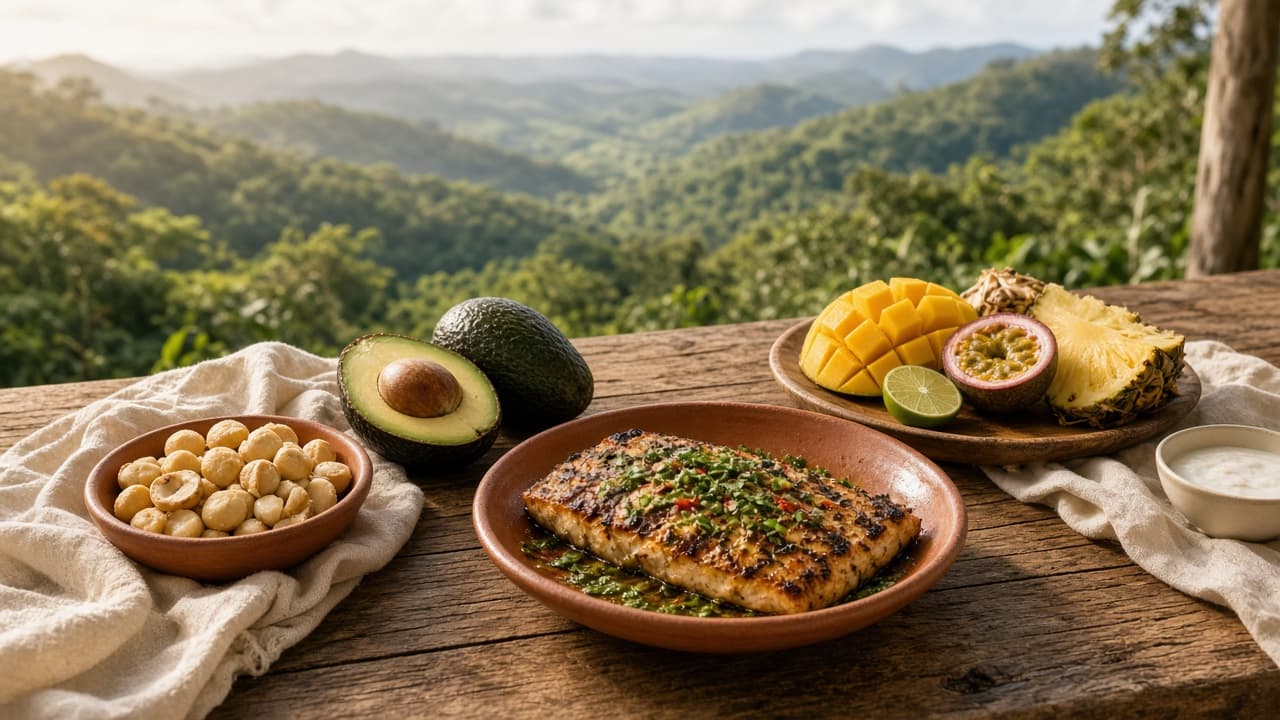
Tamborine, Springbrook and the Currumbin valley are where avocado, macadamia, tropical fruit and a farm lunch still make sense as a tasting day. The strip is where you sleep, swim and eat a convenient breakfast. Mixing those jobs on the same hour-by-hour grid is how someone books a 12.30 farm table after a 10am park entry. Do not do that. Destination Gold Coast hinterland drives are useful for roads; they are not a stop list.
The M1 and school-holiday traffic are ingredients. A hinterland lunch wants a morning start and a buffer. Summer storms rewrite outdoor seats. Winter school holidays swell both the parks and the pretty lookouts. None of this is a reason to skip the Coast. It is a reason to treat the farm table as the day’s only transfer.
Coffee farms and smaller hinterland cellar-style tastings exist. Keep them as a coda, not a second machine stacked on a winery tour expectation borrowed from the Barossa. This is not a GI weekend. It is a produce day with a beach attached.
Seafood, Brisbane, and the honest split
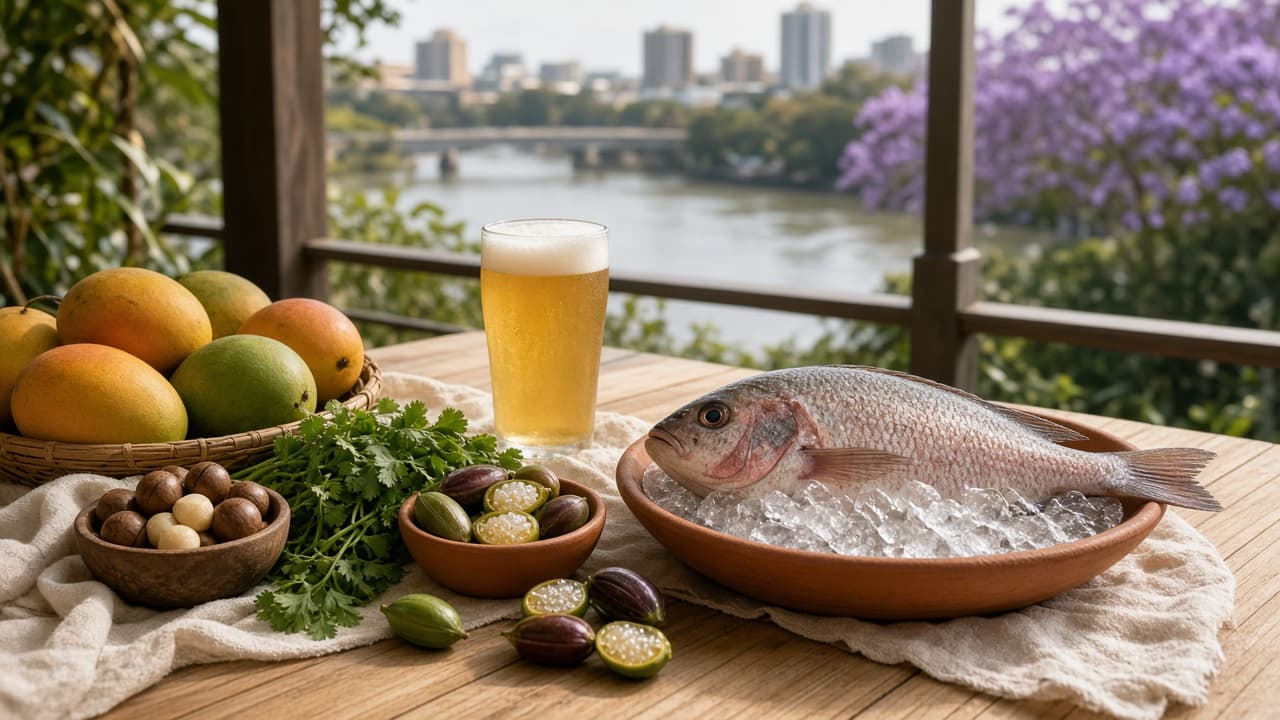
Coastal seafood on the Gold Coast is a morning job: ice, species, a plate that does not wait for a 3pm view. Reef fish and subtropical sides — mango, finger lime, macadamia as supporting actors — are the local grammar. Read seafood before you assume every coastal walk includes oysters the Sydney way.
Brisbane remains the better walking-tour classroom. The Coast remains the better farm-table-plus-swim classroom. Moving hotels for one meal is rarely worth it. A two-base trip can work if the group already wanted both beaches and a river graze; it fails if you are chasing a single “Queensland food tour” that does not exist.
Families should ask whether the hinterland venue wants children and whether the drive is a nap-trap. Groups of park-goers should book one serious dinner and stop calling the week a food tour. This URL exists so those two holidays do not have to share a caption.