What you are actually buying
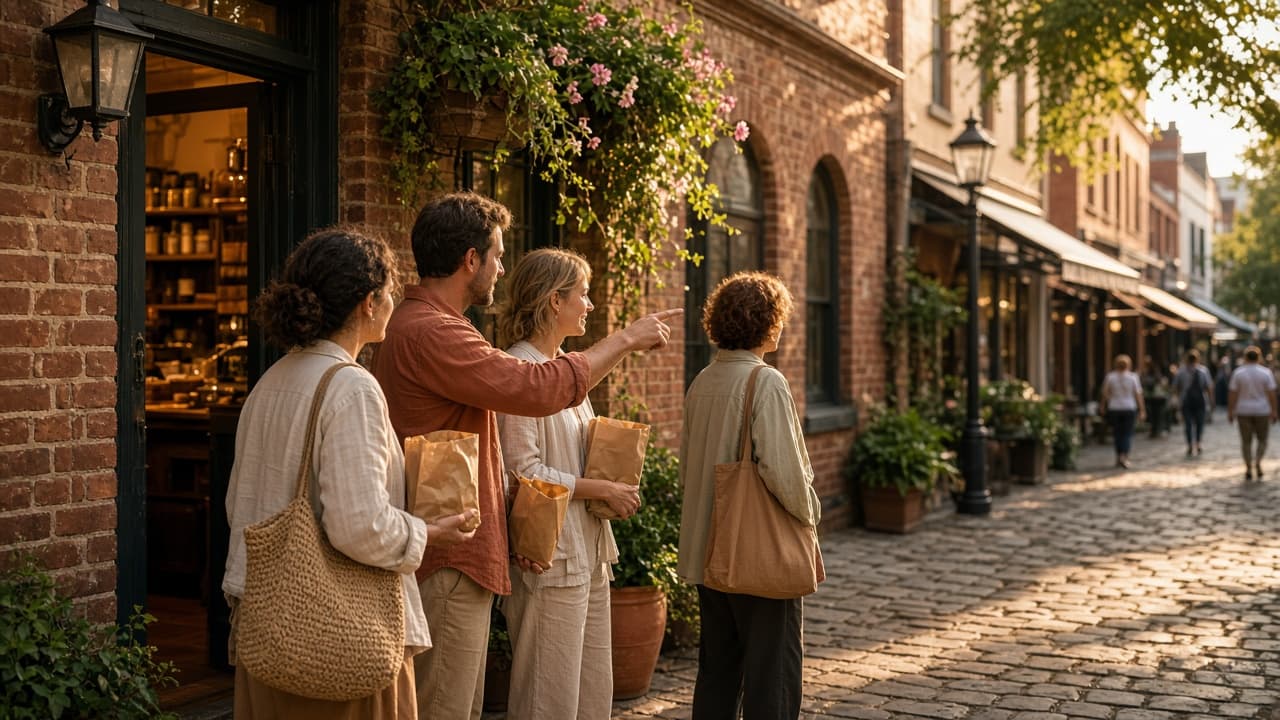
You are buying curation and permission. Curation is the stop list. Permission is the way a guide can walk you into a kitchen door that looks private. You are not buying a comprehensive survey of Melbourne or Sydney. Anyone who promises the whole city on foot is selling a postcard.
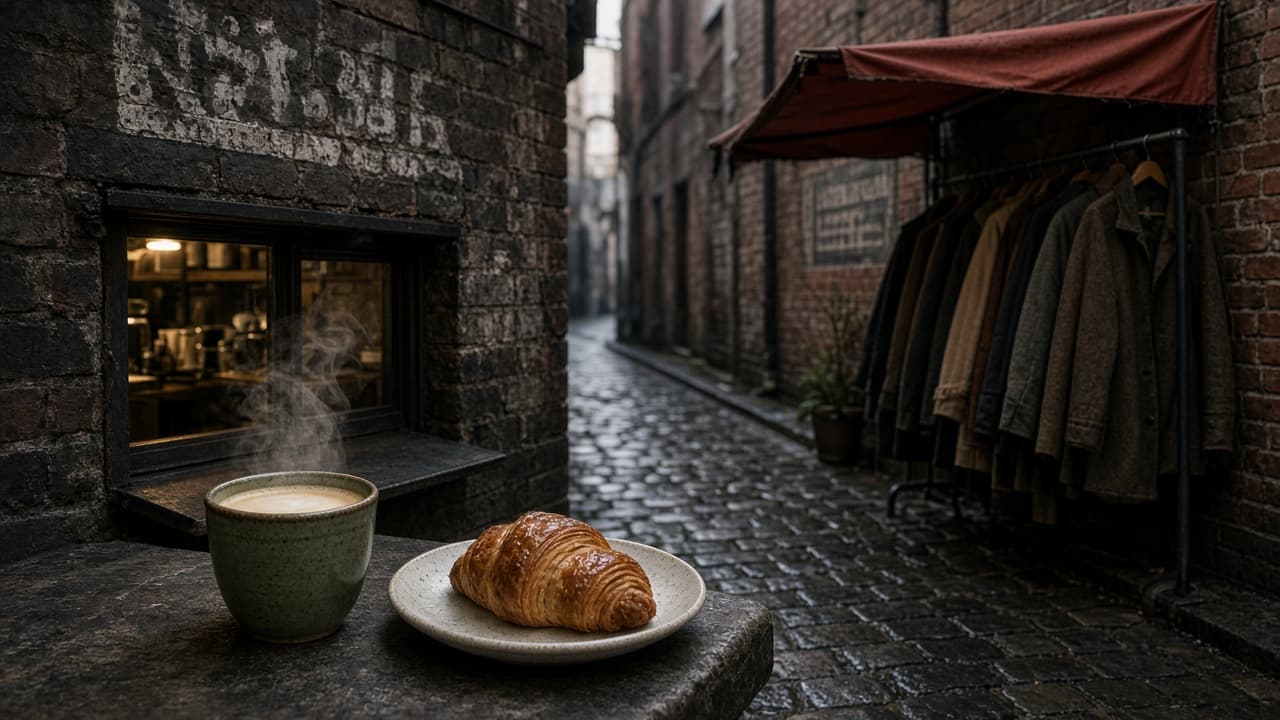
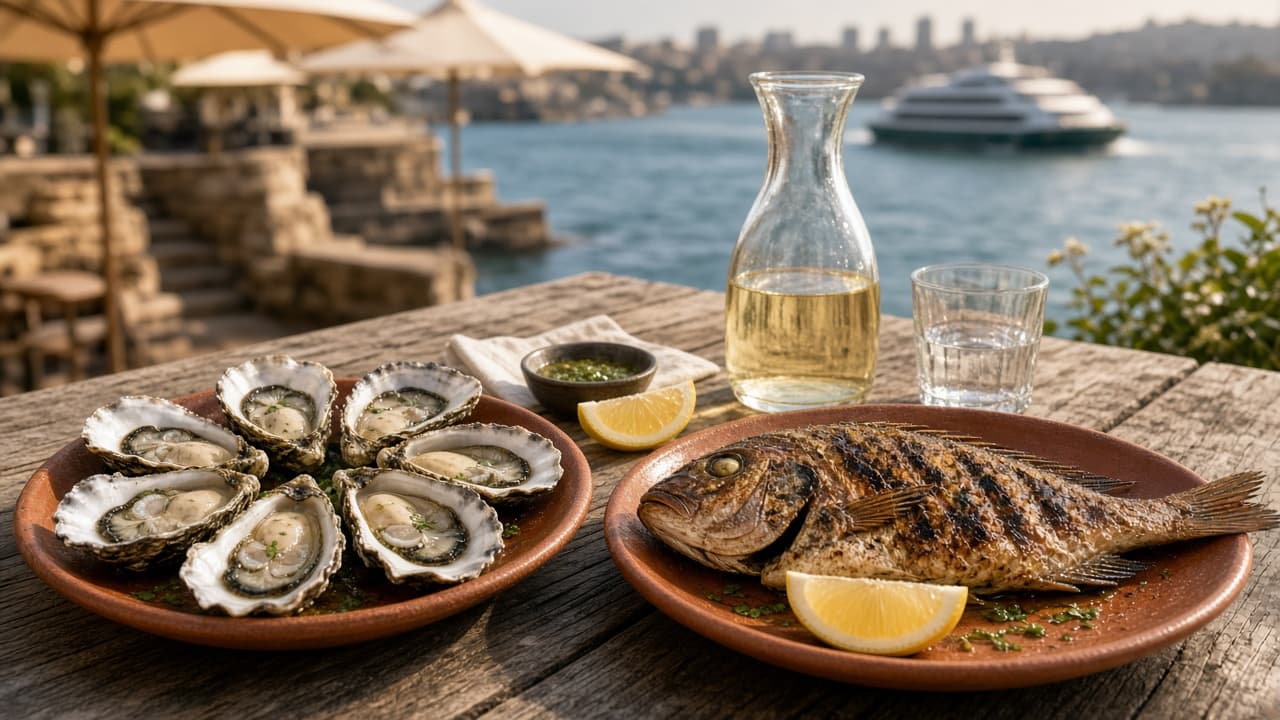
Good walks name the baker, the fish, the reason this laneway and not the next. Weak walks linger on Instagram tiles and a “hidden” bar that is on every list. Ask for the itinerary in writing. If the operator will not share even a neighbourhood, you are buying a surprise more than a tour — sometimes charming, often a lottery.
The 2008 conversation on this domain about hosted tables still applies in spirit: access matters more than coverage. A walk that sits you down twice will beat a walk that keeps you standing in a wind canyon with a paper tray. Read chef-guided if what you actually want is the pass, not the pavement.
When a walking tour is the wrong tool
It is the wrong tool in sprawling subtropical grids unless the operator has chosen a tight pocket — see Brisbane. It is the wrong tool on the Gold Coast strip if the blocks are car-scaled. It is the wrong tool if your group wants a wine region; take a winery tour and sit down.
It is also the wrong tool if you already have three restaurant bookings and a museum timed ticket. You do not need a fourth sequence. Go to a market for an hour and keep your feet. The how to choose page is the longer version of this paragraph.
Solo travellers often love walks because the group is the social layer. People who hate groups should not be talked into one by a “best of” caption. There is no ranking here. There is a temperament test.
Pace, shoes, weather, children
Australian city stone is slippery after a southerly. Wear the unglamorous shoe. Summer in Sydney or Brisbane asks for a hat and a start time that is not noon. Melbourne weather asks for a layer you can stuff in a tote. Hobart wind asks whether you meant to stand on a waterfront at all.
Children can thrive on a walk that includes a sweet stop and a chair. They wilt on a four-hour graze of adult flavours. Ask. The FAQ collects the family questions so this page can stay on the pavement.
Dietary notes belong in the booking email, not at the first stall. A good guide will have already warned the kitchen. A weak one will shrug at a gluten issue in front of a bakery window. That shrug is data.
How walks sit beside other days
A walking tour is an excellent day one. Day two can be a region — Yarra from Melbourne, Hunter from Sydney, Barossa from Adelaide — or a single serious reservation you now know how to choose. Stacking two walks in two days is how neighbourhoods start to blur.
If you came from the old magazine spine looking for a city ramble, you are in the right modern room. If you wanted cellar doors, leave this pavement and go inland.
A last practical note: count the hidden walking. Stairs into a cellar, a detour to a “surprise” mural, a meeting point that is three blocks from the advertised corner — those metres are why people remember their knees. Ask where you meet, where you finish, and whether you can leave early if a companion fades. A good guide would rather lose a stop than lose a guest. That sentence should be in the confirmation email, not invented at a kerb.