



Why the city page comes before the operator
A food tour is only as good as the streets it can walk. Sydney rewards a harbour-and-inner-south itinerary; stretching the same group to Bondi and the Rocks in one morning usually means you taste less and pose more. Melbourne can stay inside a few laneway blocks and still feel complete because the density is the point. Brisbane is more suburban and needs a tighter brief — James Street, West End, or a river-market morning, not all three.
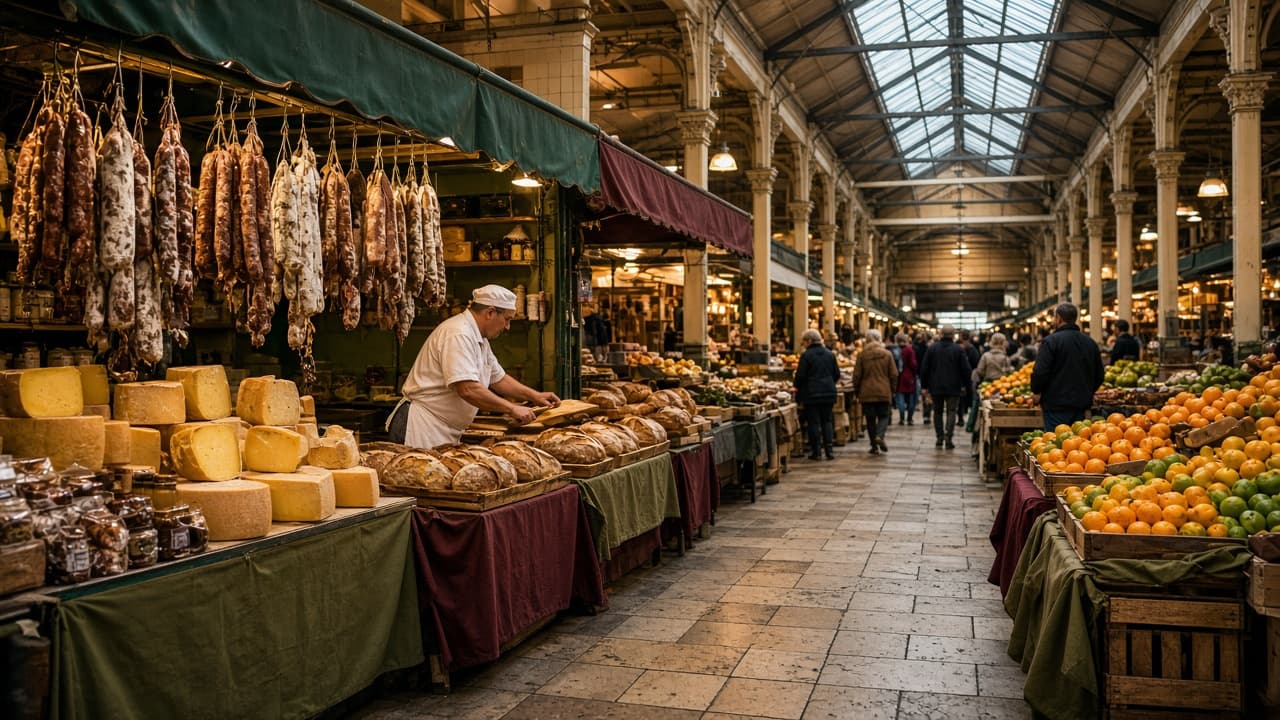
Think of each city page as a sorting hat for experience types. If the neighbourhood is walkable and stall-dense, start with walking food tours or markets. If the interesting produce lives an hour down the freeway, skip the CBD graze and read the matching region instead.
State tourism sites remain useful for current maps and events — Destination NSW, Visit Victoria, Brisbane Economic Development Agency, South Australian Tourism Commission, Tourism WA, Tourism Tasmania, VisitCanberra. They are not a substitute for asking an operator what happens when it rains, or whether the “chef appearance” is a cameo or a full service.
Harbour cities, river cities, and planned capitals
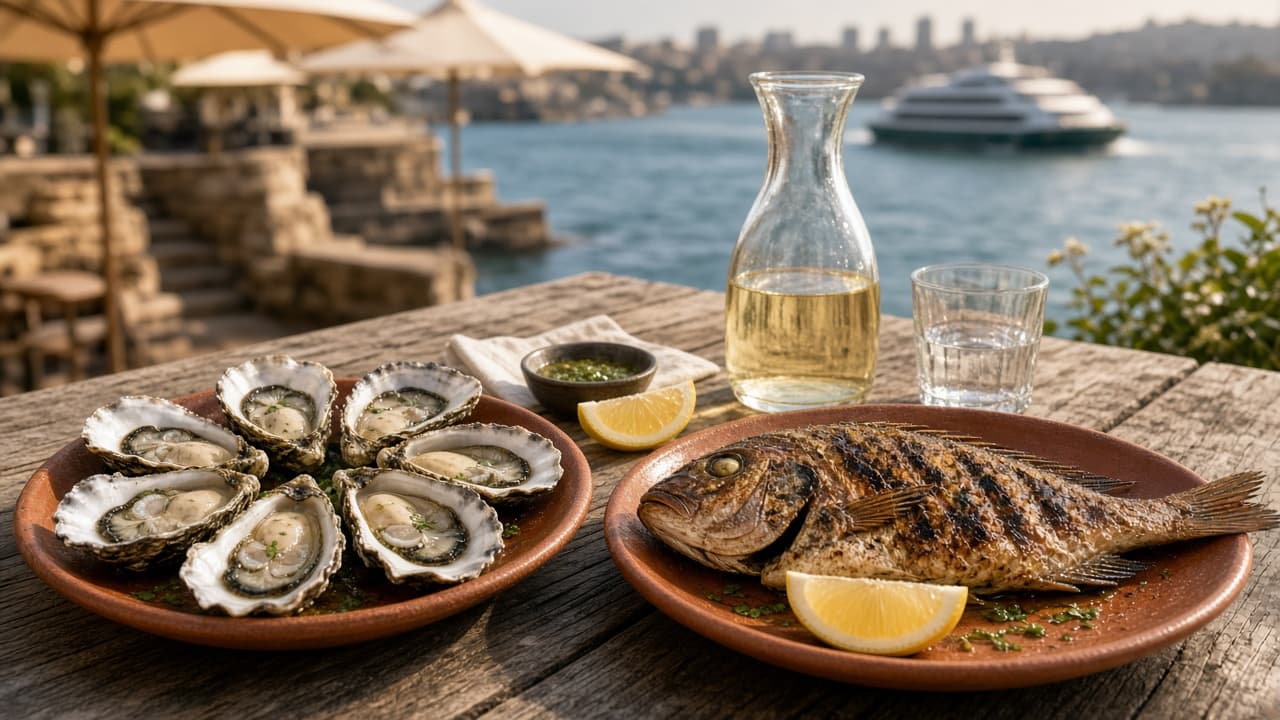
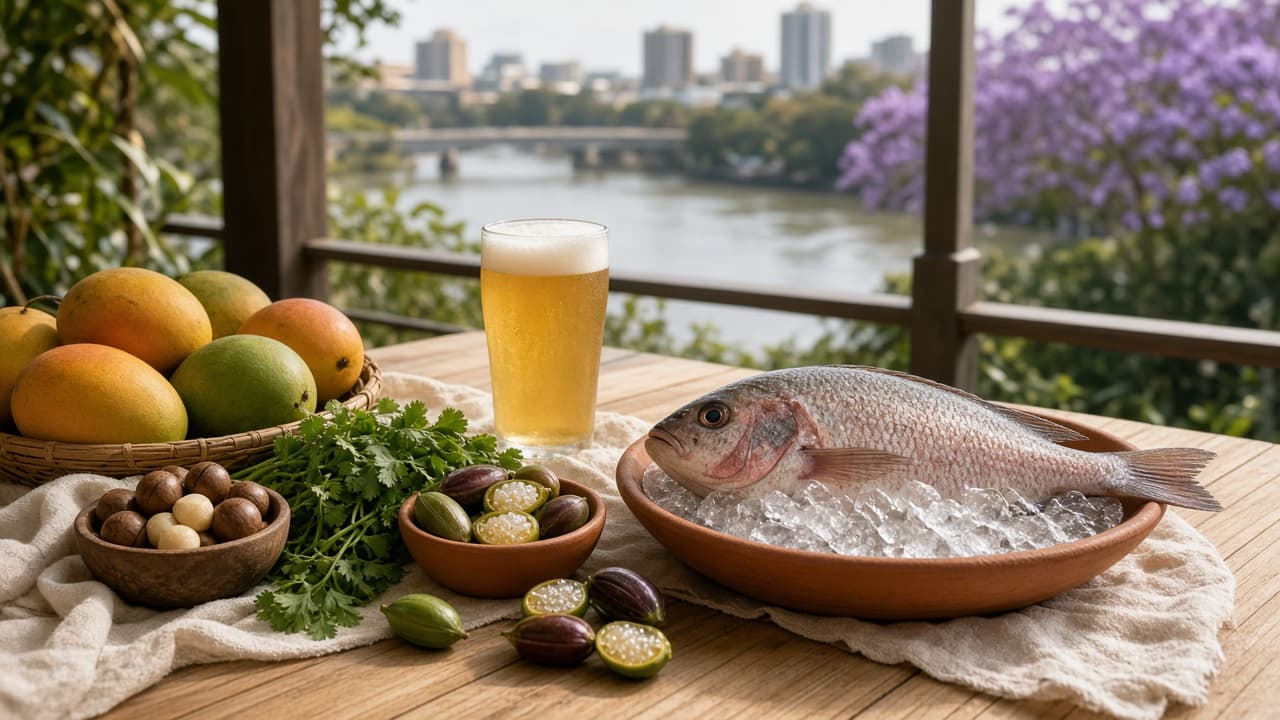
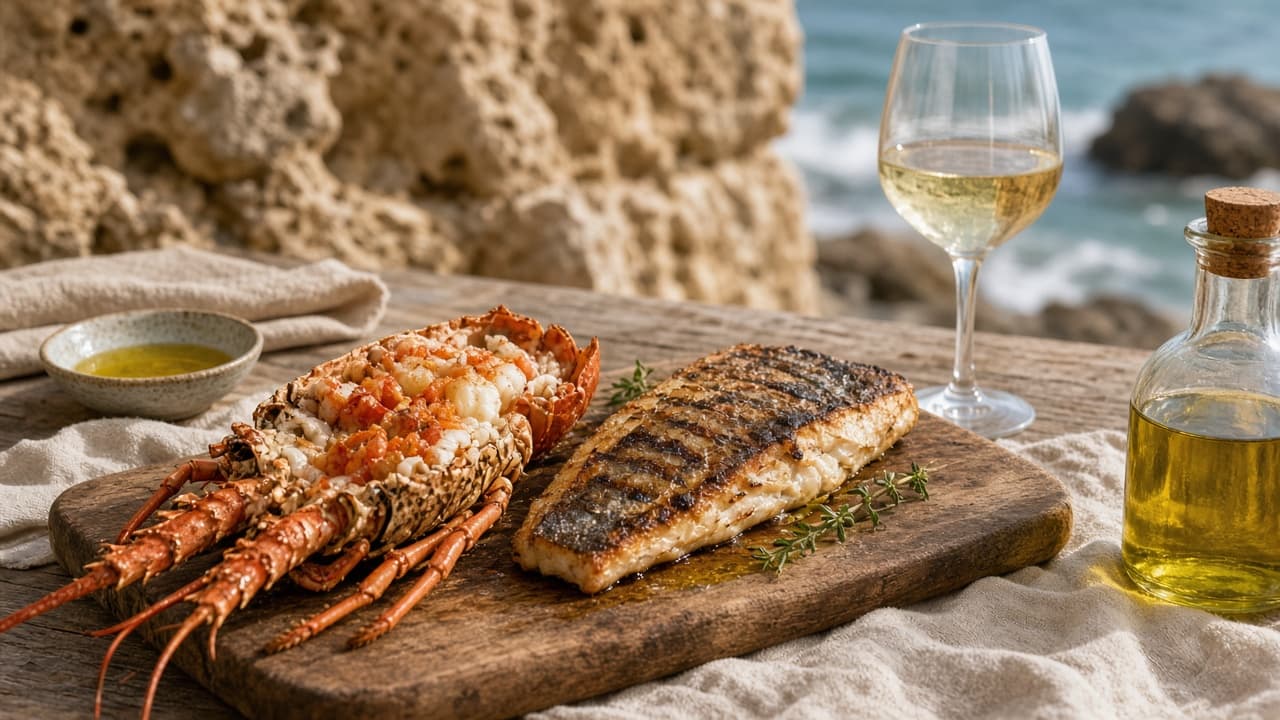
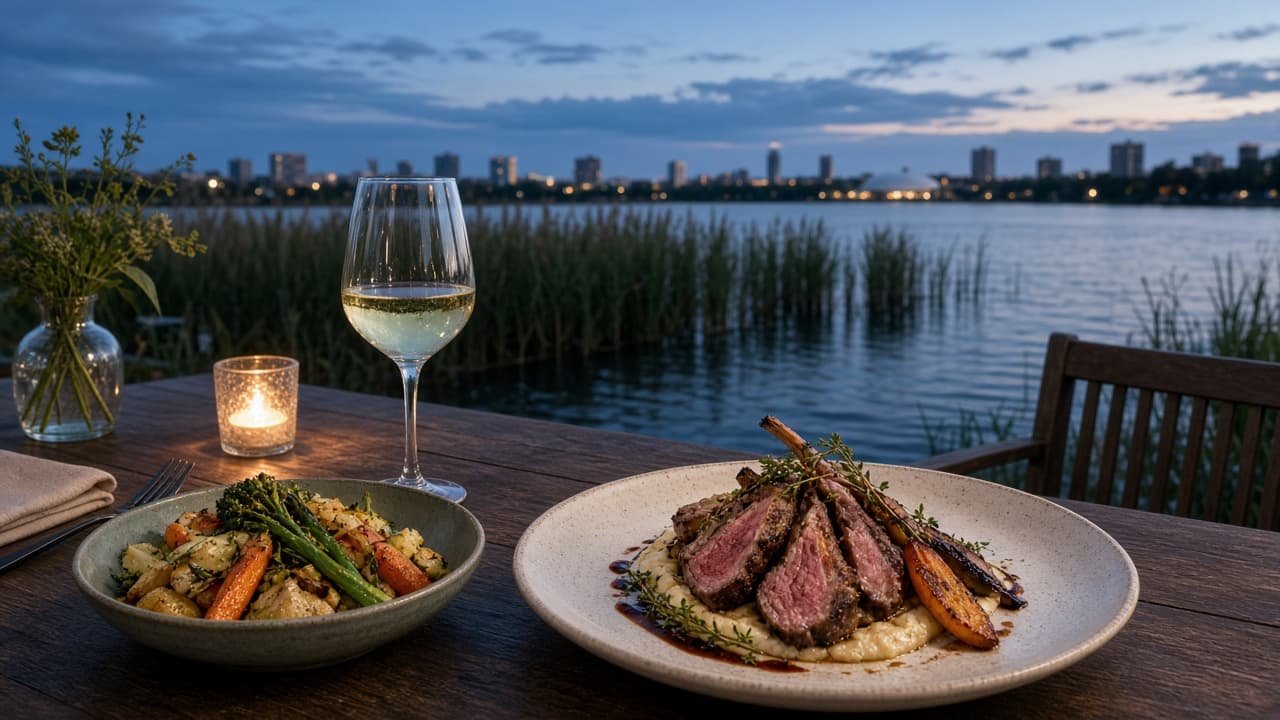
Harbour cities sell seafood as a civic identity. That is fair in Sydney and Hobart, and it is half-true on the Gold Coast, where the better tables often sit in the hinterland rather than on the surf strip. River cities — Brisbane, and Melbourne if you count the Yarra as a working spine — tend to hide their produce in markets and converted warehouses. Read the seafood page before you assume every coastal walk includes oysters.
Canberra is the planned capital that people underestimate. Cool-climate wine sits on the doorstep, the old bus depot markets still matter on weekends, and a short stay is long enough for one serious lunch if you do not waste Saturday morning on a circuit of lookouts. Perth is the opposite problem: the city can feed you well, but Margaret River is far enough that a same-day dash becomes a story about the highway.
Adelaide is the hinge. You can spend a morning in the Central Market and an afternoon in the Barossa without changing hotels if someone else is driving. That convenience is why Adelaide pages on this site talk about wine earlier than the eastern capitals do.
How to read the city and town guides
Each city guide answers the same planning questions in local language: is a walking tour worth the ticket, which market morning is the rehearsal, and when should you leave town. None of them publish a price list. If two operators quote different inclusions, believe the written itinerary over the social caption.
Internal links are deliberate. Melbourne talks to the Yarra Valley and the Dandenongs. Sydney talks to the Hunter. Adelaide talks to the Barossa. Perth talks to Margaret River. Hobart talks to Tasmanian produce more than to a single GI. Follow those links if you have a hire car; ignore them if you have a pram and a 3pm theatre ticket.
If you are still choosing between a guide and a shopping bag, leave the city pages and read how to choose. If you want the older magazine voice that used to live at /food-tours-articles/, the articles hub is the modern shelf.
High-search towns sit on the same map
Capitals still take the first click. The towns people actually search — Cairns, Noosa, Byron Bay, Fremantle, Blue Mountains, Mornington Peninsula, Port Douglas, Airlie Beach, Coffs Harbour, Port Macquarie, Hervey Bay, Mandurah, Albany, Port Lincoln, Victor Harbor — now have their own supporting pages. So do inland plates such as Orange, Mudgee, Daylesford, Ballarat, Bendigo and Toowoomba.
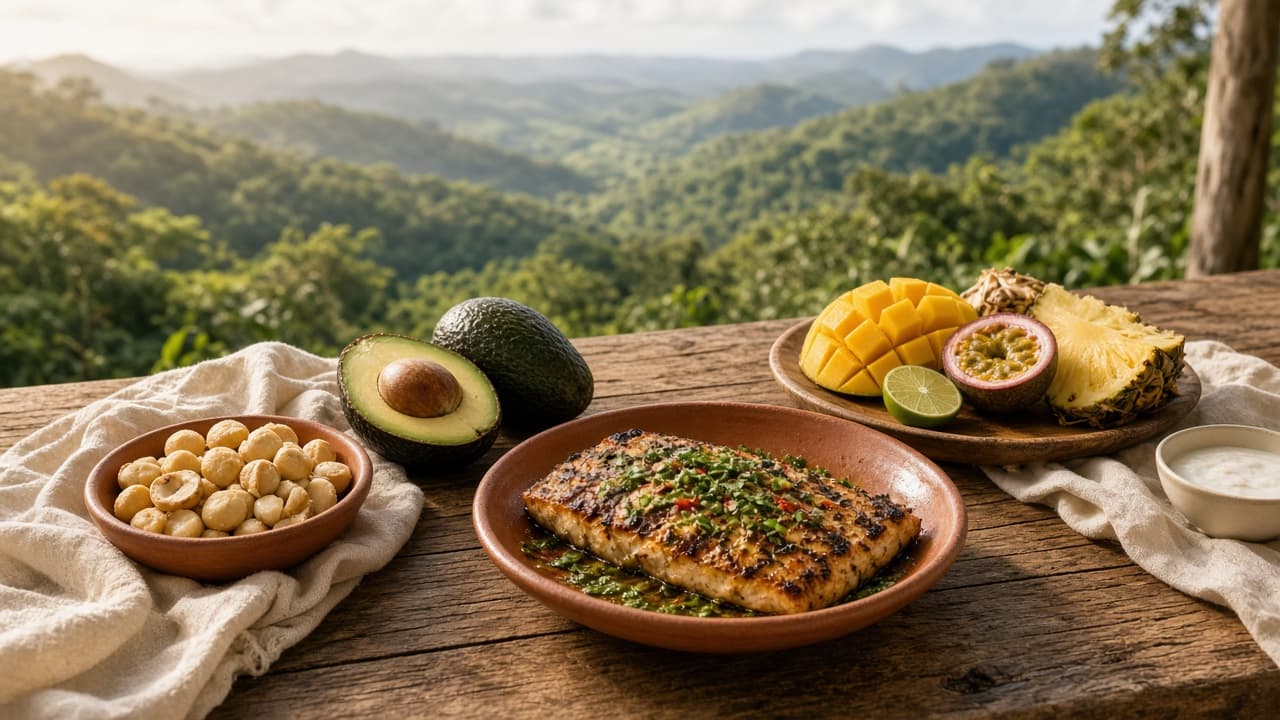
Those pages are not second-class copies of Melbourne. A tuna-coast harbour is a different syllabus from a laneway. A whale-season esplanade is a different syllabus from a produce hall. Use the town page to decide whether the civic plate is fish, fruit, cellar doors or a village high street — then use the GetYourGuide rail on that URL if you want a live listing. This desk still will not invent a price or a “#1 tour”.
Regional cities with real search demand — Newcastle, Wollongong, Geelong, Sunshine Coast, Townsville, Darwin, Launceston, Alice Springs, Broome — sit between the capital and the holiday village. Stay on one job. A mashed “east-coast food tour” that tries to collect three of them before 2pm is how someone eats a service-station sandwich.
A note on seasons inside capitals
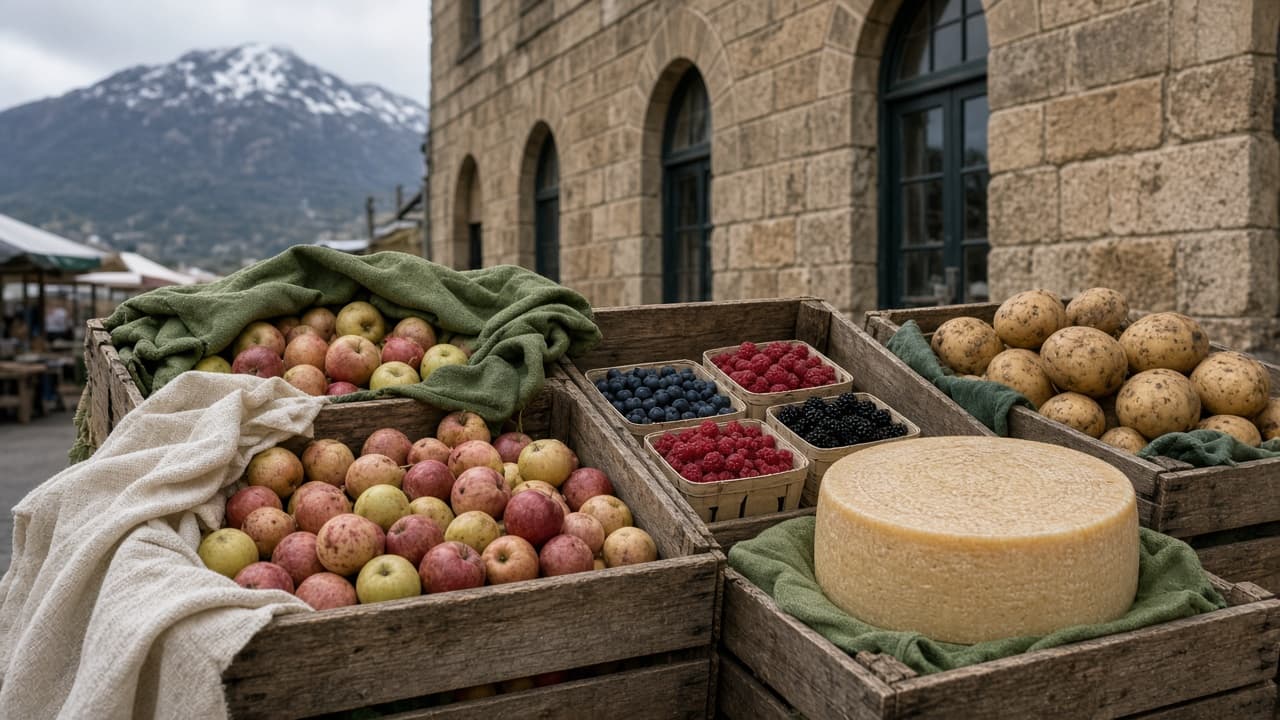
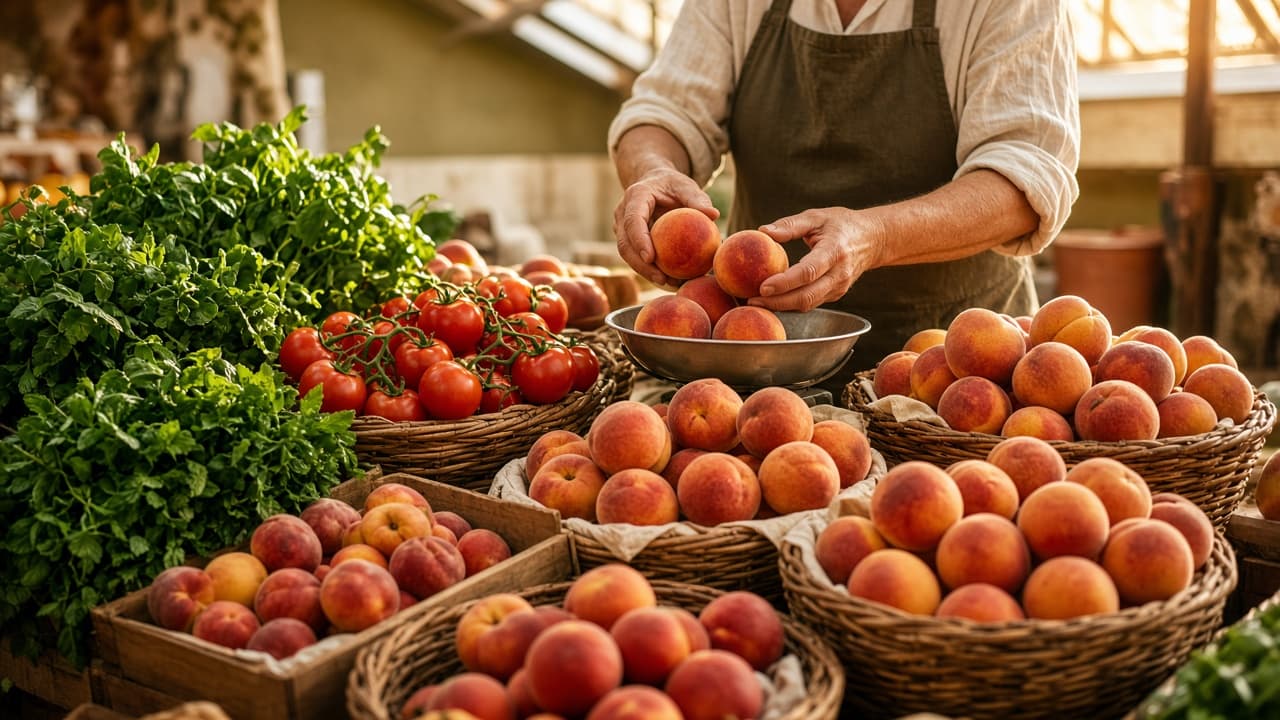
January in Sydney or Brisbane can make a midday walk a test of hat brim and hydration. Winter in Melbourne or Hobart makes the same walk a test of whether the tour sits down indoors between stops. Neither season is “best” in the brochure sense. Summer is stone fruit and late light; winter is citrus, broth and cellar-door weather. The seasonal produce article explains how operators actually rewrite a menu when the stone fruit stops.
School holidays change the calculation more than weather does. Queen Victoria Market, Salamanca and the Gold Coast hinterland roads all swell when families are off. Book the popular walking tours earlier than you think, then keep a DIY market morning as the fallback if a date is gone. The FAQ covers lead times and what to wear.