Food ToursCity tables · cellar doors · market mornings

Ice · oysters · reef and cold water

East-coast seafood experiences — and the other oceans

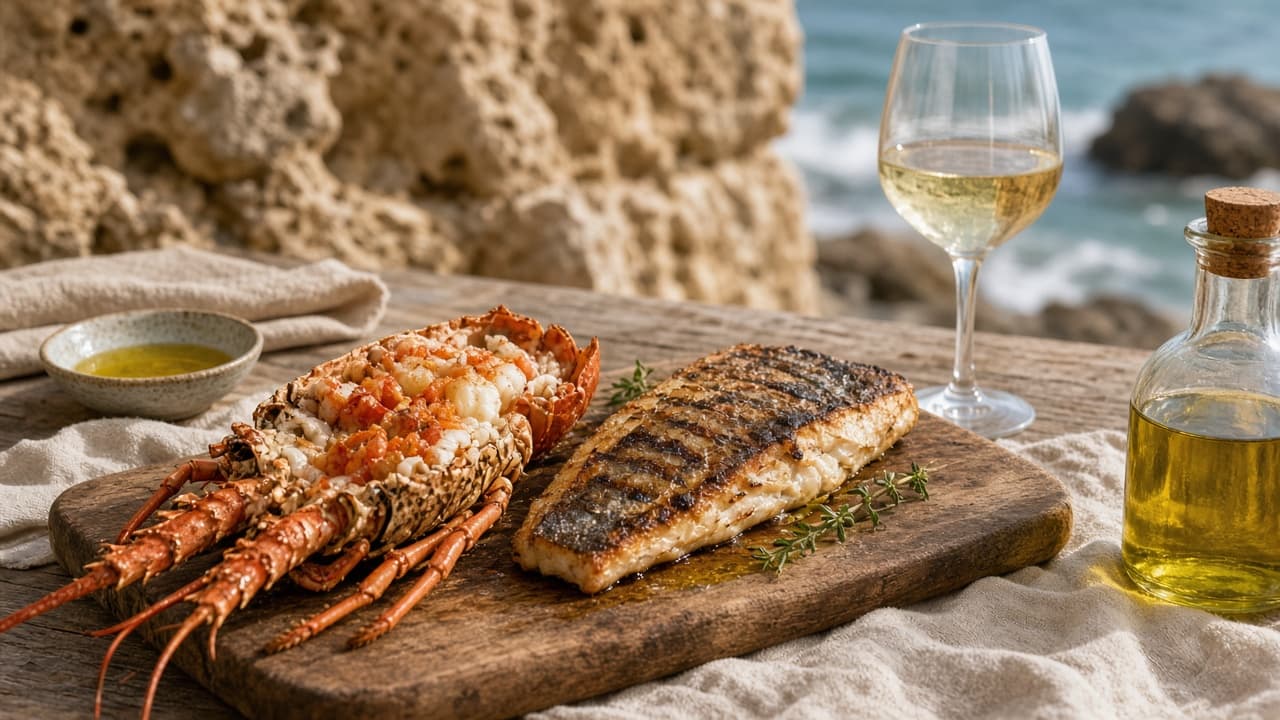
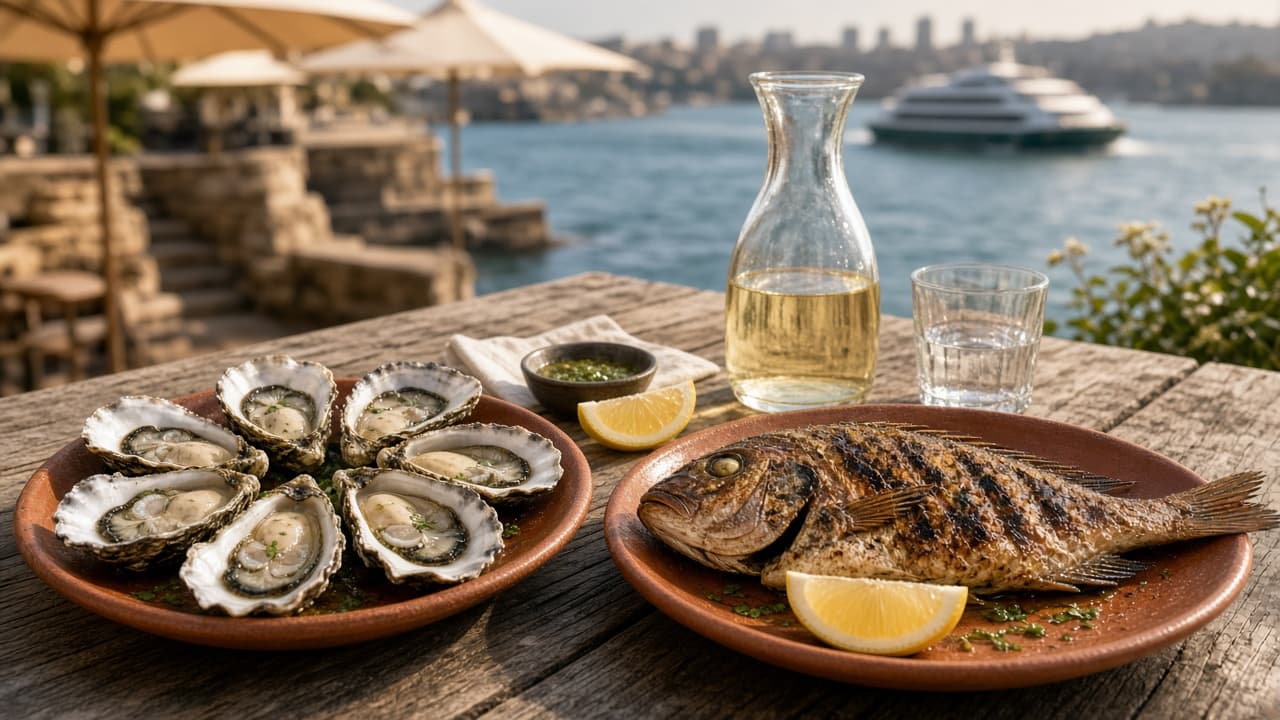
Seafood on an Australian food tour is a morning sport. The ice is honest early. The species list is a geography lesson: Sydney rock oysters, reef fish in Queensland, a colder handling culture in Tasmania, western rock lobster when the licence agrees. A 3pm platter with a view is a different product.

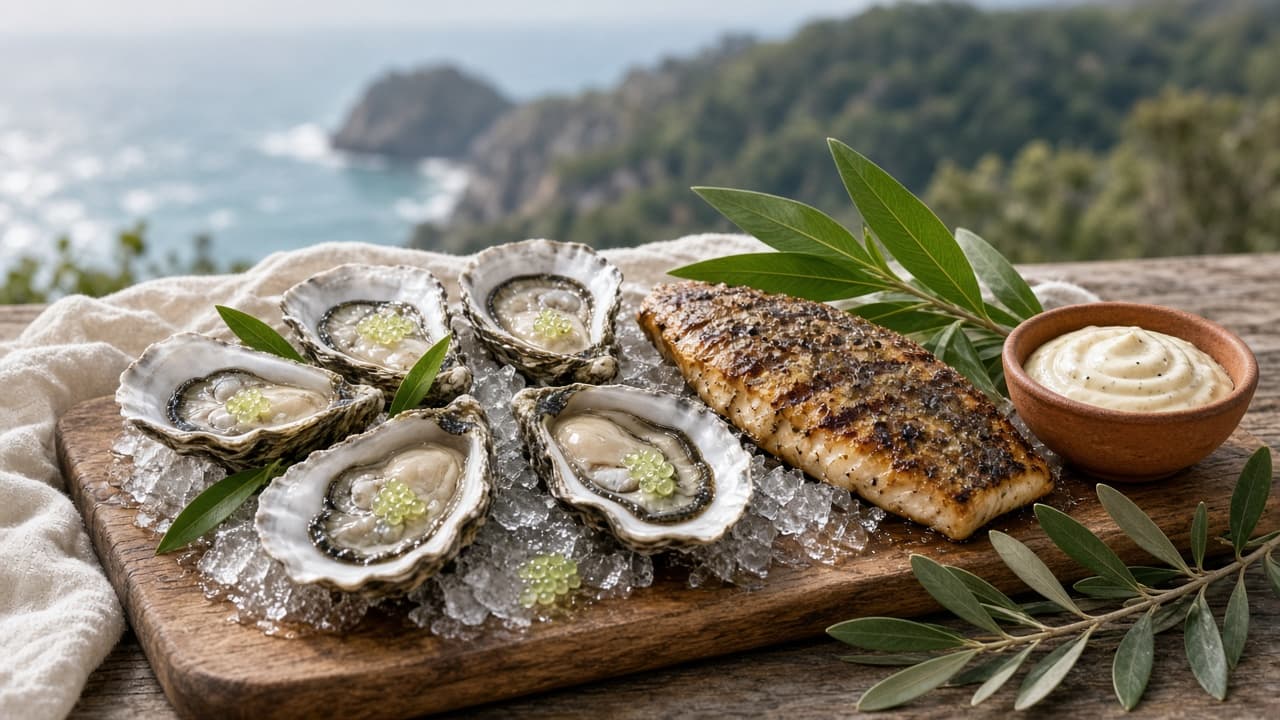
Freshly shucked oysters on ice with grilled fish, lemon myrtle and finger lime on a timber board

At a glance

Timing
Morning ice beats a tired afternoon platter.
East coast
Sydney harbour, Queensland reef fish, Tasmanian oysters.
Other oceans
Fremantle and the west have their own syllabus.
Ask
Species, boat story, and what happens if the fish did not come in.

East coast does not mean one fish

Sydney teaches oysters and a fish-market morning. Brisbane and the Gold Coast teach reef species and subtropical sides — mango, finger lime, macadamia as supporting actors. Hobart teaches cold water and a stall culture that still feels like a working island. Lumping those into “east-coast seafood” is only useful as a flight path, not as a menu.

A walking tour can include a seafood stop; a seafood day should not be a walk that happens to wave at a prawn. Ask how much of the ticket is fish. Read walking food tours if the neighbourhood is the plot.

Lemon myrtle and finger lime are excellent when fresh and a garnish cliché when they are a dust. Judge the fish first. The herb is a footnote.

How operators should talk about supply

The honest sentence is “if the boat came in”. The dishonest sentence is a laminated species list that never changes. A chef-led seafood morning — see chef-guided — should start at ice or at a lease, not at a foam lecture.

Allergies and ethics belong in the booking. If you do not eat crustaceans, say so. If you care about a fishery, ask. This desk will not invent a sustainability medal or a price per head.

Perth readers should not be forced into an east-coast syllabus. Western rock lobster is a different conversation with its own season. Use the local page.

A seafood morning that still leaves you hungry for dinner

Oysters or a market fish, a sit-down plate, a walk, a rest. That is enough. Adding a chocolate crawl because the afternoon is empty is how you stop tasting salt.

Families need a venue that wants children near shells. Solo travellers can do a market and a counter. Groups should not share seventeen sauces as a personality. The FAQ covers the rest of the logistics.
Ledger

Planning table

Oceans as syllabi — do not grade one city by another’s fish.

PlaceLessonTiming
SydneyOysters, fish markets, harbour contextMorning
Queensland coastReef fish, subtropical sidesMorning / lunch
Hobart / east coast TassieCold water, stall cultureMorning / booked lunch
FremantleIndian Ocean species, limestone lightLunch

Asked at the table

Questions travellers actually ask

Short answers first, then the useful detail. Written for people comparing a guided tasting with a self-directed market morning.

What seafood experiences work on the Australian east coast?
A morning at a fish market or oyster-focused lunch in Sydney, a reef-fish lunch in Queensland, and a cold-water seafood booking in Tasmania. Keep it to one ocean lesson per day and start while the ice is honest.
Do seafood tours run in the afternoon?
Some do, but the ice and the energy are usually kinder in the morning. A booked lunch can still be excellent. A tired 3pm platter with a view is a different product.
Can I do seafood if I do not eat crustaceans?
Often yes — ask for finfish-focused stops. Say so when you book rather than at the first shucking tray.

Next tasting

Start while the ice is honest

Pick one city’s seafood syllabus and keep the afternoon free. The view can wait; the fish cannot.