A capital with a pantry, not just a Parliament
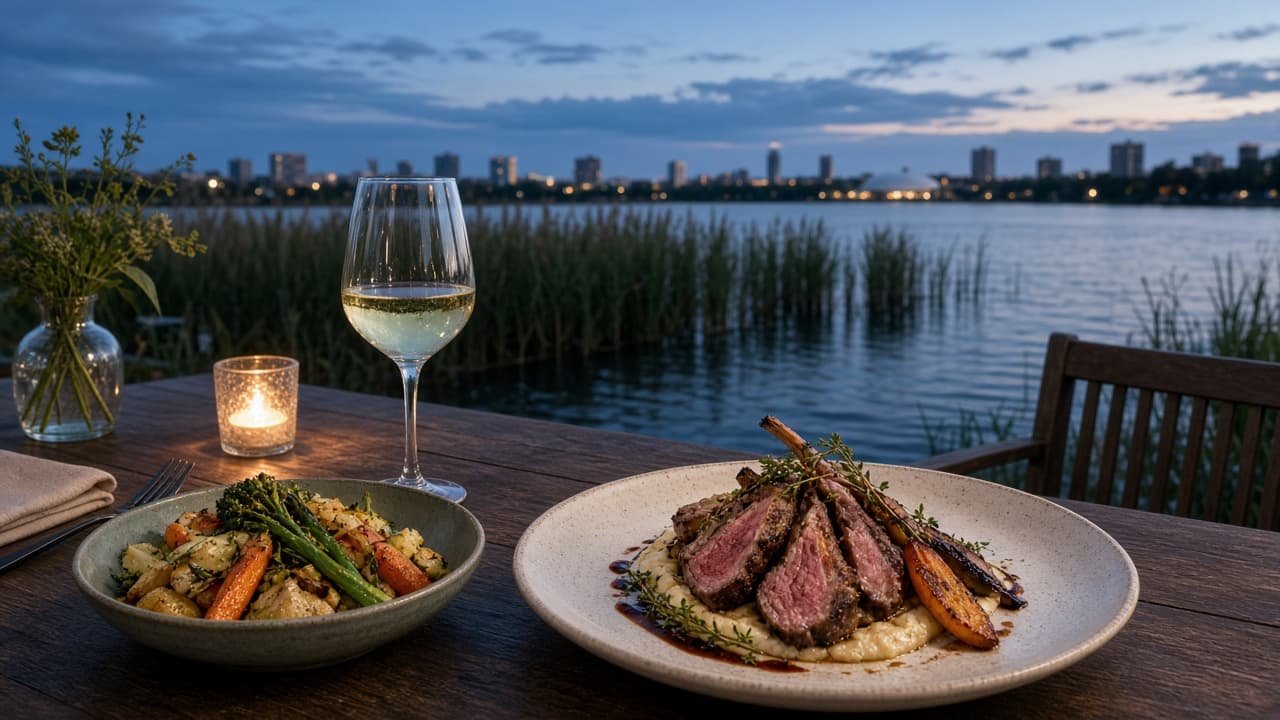
VisitCanberra will happily fill your diary with institutions. Keep one half-day for food anyway. A lakeside lunch in good weather, a neighbourhood booking in the inner south, or a weekend market morning will teach you more about how the city actually lives than a third lookout.
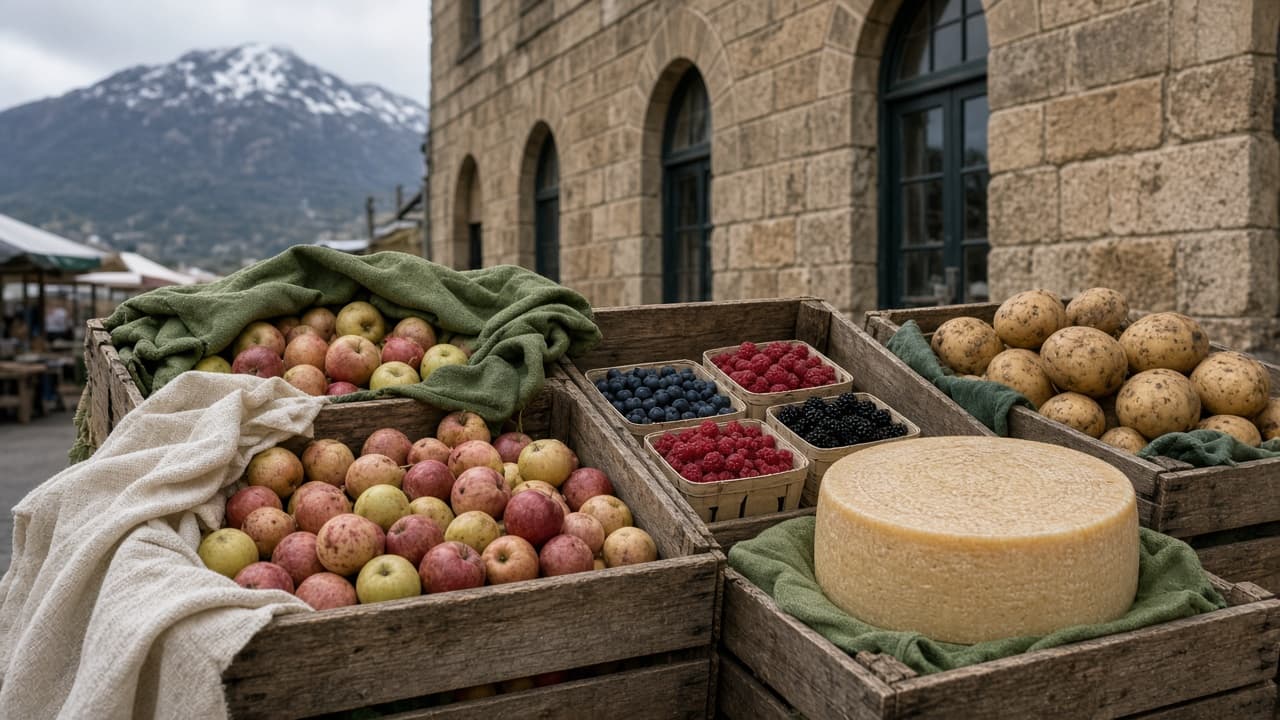
Market days are the social food ritual. They are also easy to miss if you assume every capital hall is weekday-open. Check the calendar. A guided walk is useful if you are new; DIY is enough if you already shop like a cook.
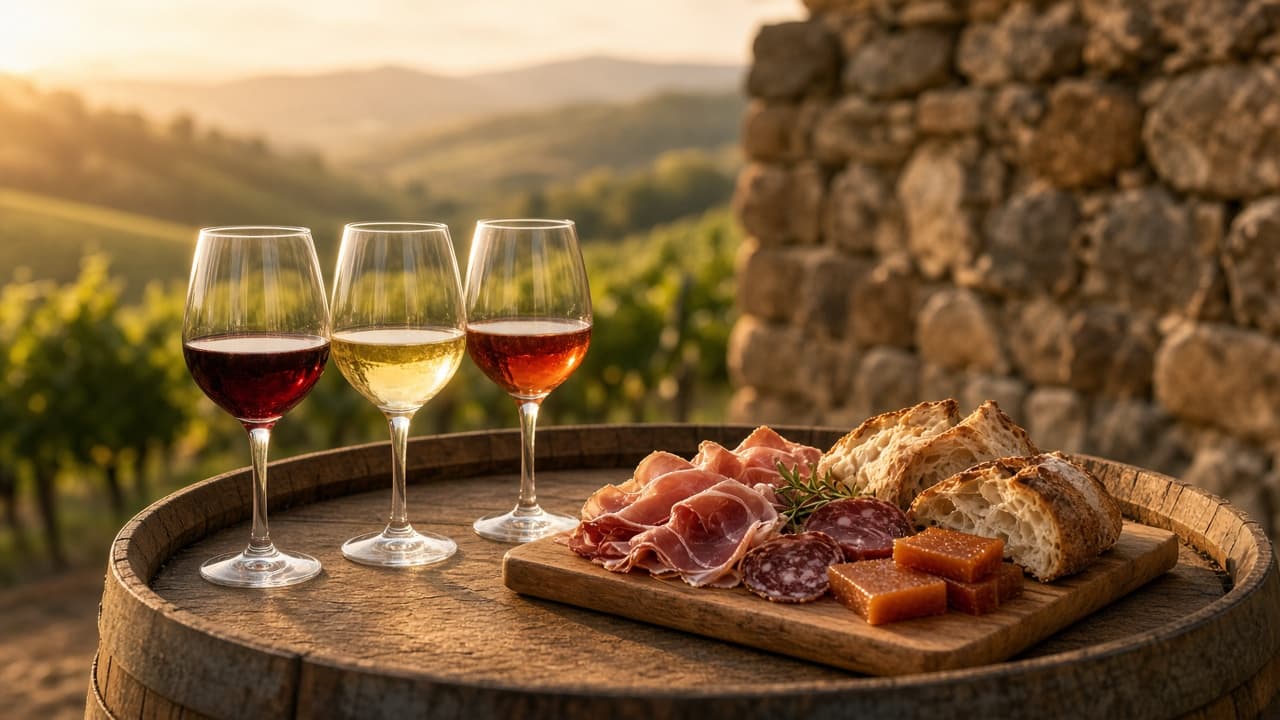
Cool-climate wine sits closer than visitors from Sydney expect. It is still a tasting circuit, not a car-park crawl. Read winery tours and keep the door list short.
How a 36-hour stay should eat
Night one: the reservation. Morning two: market or a bakery walk. Afternoon two: either a gallery you actually want or a single wine door, not both at a sprint. Airport. That is a food stay. Adding a chocolate detour is optional and should not replace lunch.
Compare with Hobart for another compact cool-climate city, and with Melbourne if you are using Canberra as a corridor. The capital’s advantage is planning: distances are knowable. Its risk is a diary that looks like a civics syllabus.
Chef-led pop-ups happen around festivals. Filter them through chef-guided. If you are here for work, the how to choose page is the honest conversation about a tour versus two good bookings.
Seasons on the tableland
Winter is sharp and excellent for long lunches. Summer can be surprisingly hot on a walking tour — ask about shade. Autumn produce is the quiet flex. None of these is a ranking. All of them require a coat you did not think you needed because the airport was inland-bright.
If your trip continues to the Yarra or the Hunter, do not collapse all cool-climate wine into one memory. Canberra’s doors have their own argument. Taste fewer of them, properly.
Markets, districts, and the work-trip trap
Weekend halls — including the long Capital Region Farmers Market tradition and the old bus-depot social hour — are the city’s food classroom. They are not weekday assumptions. A visitor who flies in on a Tuesday and expects a Saturday stall map will eat well only if they already booked a kitchen. Check the current calendar the way you would check a sitting time.
The inner south and inner north still hold the neighbourhood reservations that make a 36-hour stay feel like a city rather than a campus. Lake edges are for weather that agrees. A walking food tour is useful if you are new and short on evenings; it is optional if you already cook and can read a stall. Compare that honesty with Adelaide Central Market, where the hall is the weekday rehearsal.
Work trips are the Canberra specialty. The trap is filling the only free night with a lookout and a hotel grill. Book the table first. If a colleague wants a wine half-day, keep it to one licensed vehicle and one door list you can finish before the airport run. The how to choose page is written for this argument.
Cool-climate doors without a valley overnight
Canberra District wine sits closer than a Hunter transfer and closer than a Yarra Saturday if you are already on the tableland. That convenience is not a licence to stack six doors. One serious tasting and a lunch that understands cool-climate fruit is a food day. Six stickers is a car-park crawl with a nicer postcode.
Frost, wind and a bright airport arrival fool people into under-dressing. Ask about outdoor seating in July. Ask about shade in January. Neither season is “best” for a national ranking; both change whether a walking ticket is kind. Pair this page with winery tours for the spit-or-skip rule.
If you are connecting east to Sydney or south toward Melbourne, do not treat Canberra as a filler between two larger food cities. It is a short-stay pantry with its own GI. Give it a reservation or leave it as a transit lounge — not a half-hearted third capital in one week.