Salamanca is the orientation, not the entire island
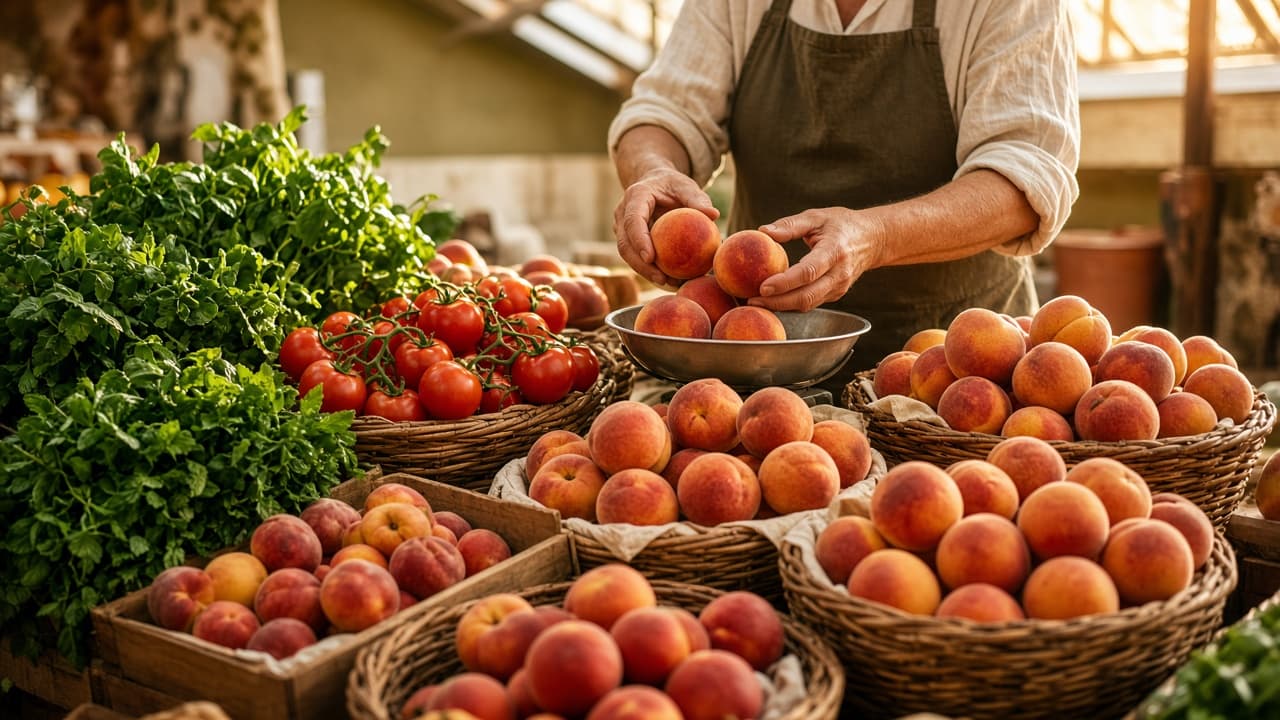
If you can be in Hobart on a Saturday, walk Salamanca with enough time to shop like a cook. A market tour helps first-time visitors who would otherwise stall at the first jam stall. A self-directed loop is enough if you already know how to buy cheese. Either way, this is the produce literacy that the rest of Tasmania assumes.
Weekdays still work: the waterfront, a neighbourhood bakery, a museum lunch if that is your weather plan. MONA’s food conversation is real and it is also a ferry timetable. Do not let a single institution eat the only day you had for oysters.
Tourism Tasmania maps are reliable about distances that look tiny on a souvenir tea towel and feel long in winter fog. Believe the winter version.
Seafood and the colder ocean
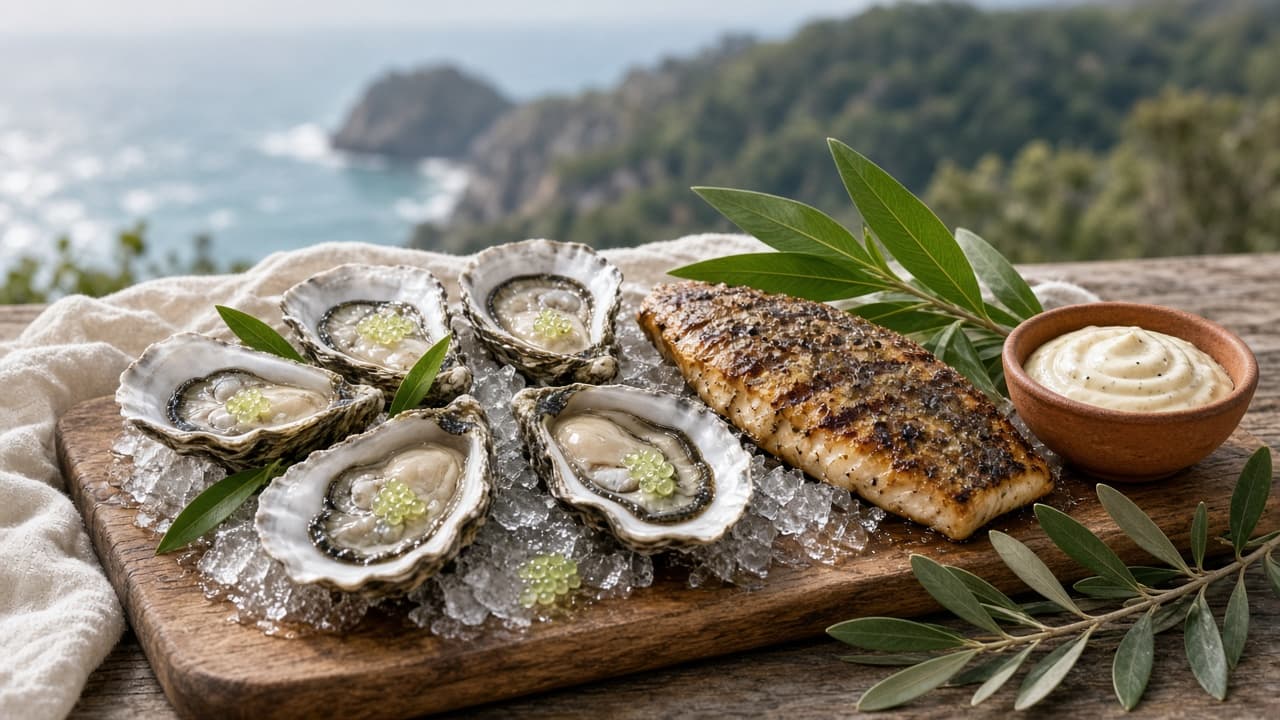
Tasmanian seafood is a different syllabus from Sydney or Brisbane. Oysters, sea-run fish, and a colder handling culture. Read seafood experiences and plan a morning or a booked lunch, not a tired 3pm platter. If you came for the east coast, give that coast a night; do not treat it as a Hobart sidebar.
Walking tours in Hobart can cover a surprising amount because the city is compact. They still fail when they try to add a mountain, a gallery and a whisky door as “inclusions”. Ask for the stop list. The walking page is the general filter.
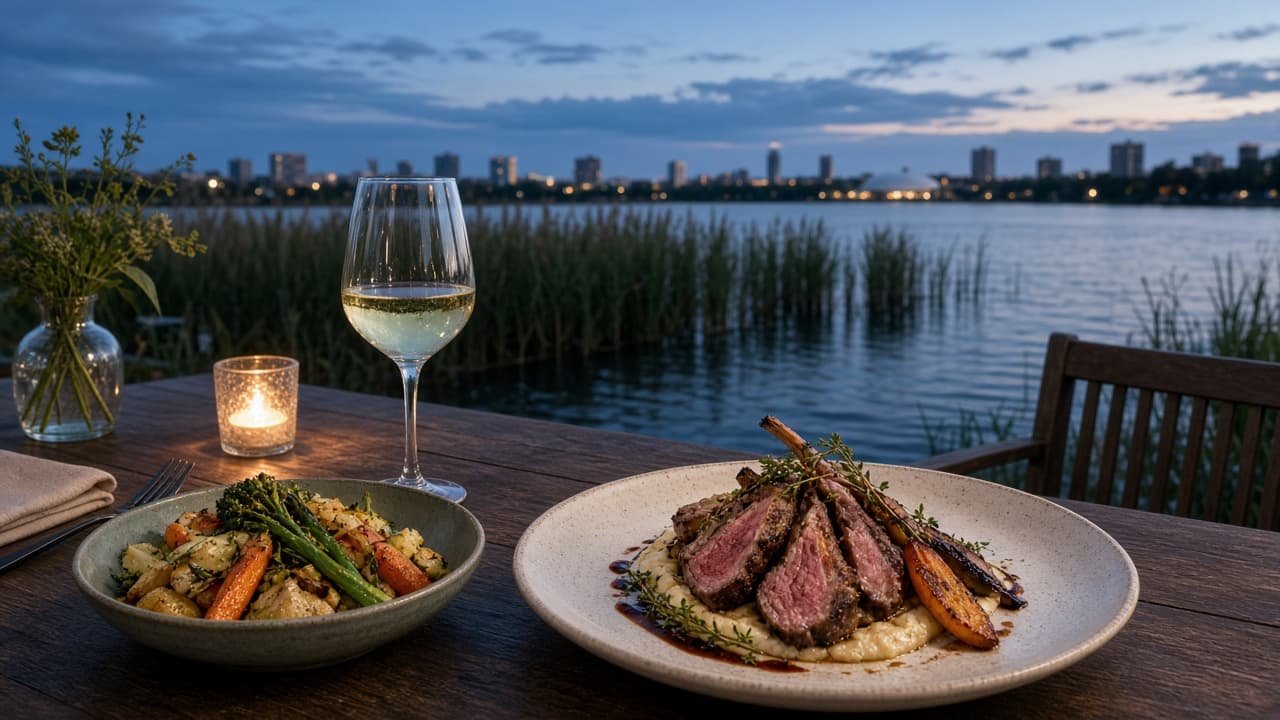
Chef-led farm dinners appear in the valleys more than in the CBD. Chef-guided still applies: who is cooking, what happens in the rain, what they do with dietary notes. No celebrity inventions on this desk.
Pick a compass point for day two
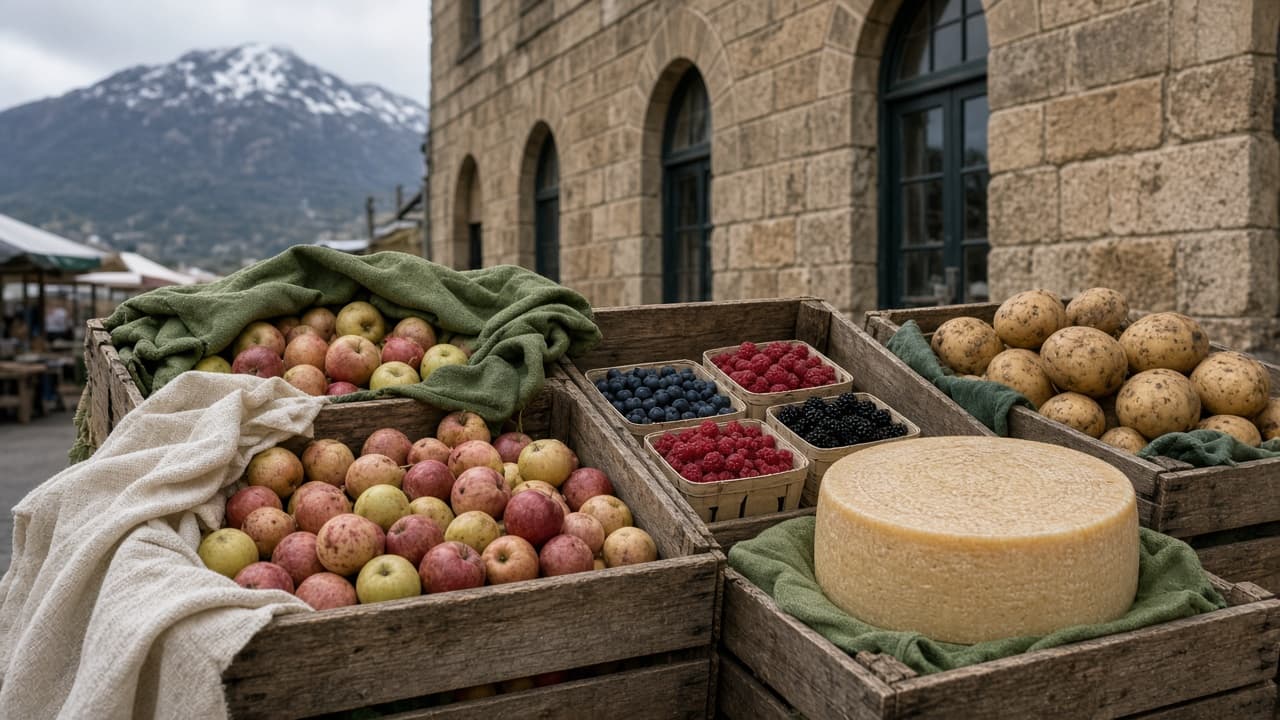
Huon for orchards and a slower southern drive. Coal River for a closer wine afternoon. East coast for oysters and a longer haul. That is enough geography. People who “do Tassie food” in seventy-two hours remember the hire-car radio.
Compare with Canberra for another small-city cool-climate logic, and with Melbourne if your ferry or flight connects there. Hobart’s advantage is compactness and produce pride. Its risk is weather that cancels the postcard without cancelling your hunger.
Whisky and pinot sit adjacent to food tours here. They are not automatic inclusions. If you want them, say so when you book. If you do not drink, Tasmania is still an excellent produce island — ask for the juice and cheese version.
A two-day Hobart food stay
Day one: waterfront and a neighbourhood booking; Saturday if possible for Salamanca. Day two: one compass point and a lunch. Evening two: leftover cheese in the hotel and an early night. That humility is how the island tastes like itself.
Winter is broth, fire and closed stall days. Summer is berries and longer light. Shoulder seasons are the secret for people who hate queues. The seasonal article is worth a skim before you pack.
If you only have a weekday, the waterfront booking still holds and the neighbourhood bakery still holds. What does not hold is the assumption that every sandstone square is a market. Ask the hotel desk which morning the stalls actually appear, then spend the saved hour on oysters rather than on a disappointed lap of empty trestles.
What Hobart owes you — and what it does not
It owes you a compact waterfront, a produce culture that still talks to farms, and a second-day compass point if you have the hours. It does not owe you a mild winter, an open stall square on a Wednesday, or a whisky door on every walking ticket. Visitors who arrive from Melbourne expecting laneway density will need to reset; the education here is island-shaped.
If a cruise ship is in, the waterfront changes character. Eat earlier or later. If MONA is the reason you flew, still keep one meal that has nothing to do with a museum timetable. The island is allowed to be more than an institution. That sentence is the entire hospitality ethic, and it is why this page refuses a ranking.