Complete guide
Food tours in Australia: the complete planning guide
How to plan a food tour anywhere in Australia: choosing the tour type, picking a city or wine region, timing it with the seasons, handling dietary needs and knowing what you are actually paying for.
Published
A food tour in Australia is a guided tasting outing: a walk through a neighbourhood, a market morning, a cellar-door day in a wine region or a session with a chef. The best way to plan one is to choose the type of tour first, then the place, then the season, and only then compare operators. This guide maps every step and links to the deeper guides on each one.
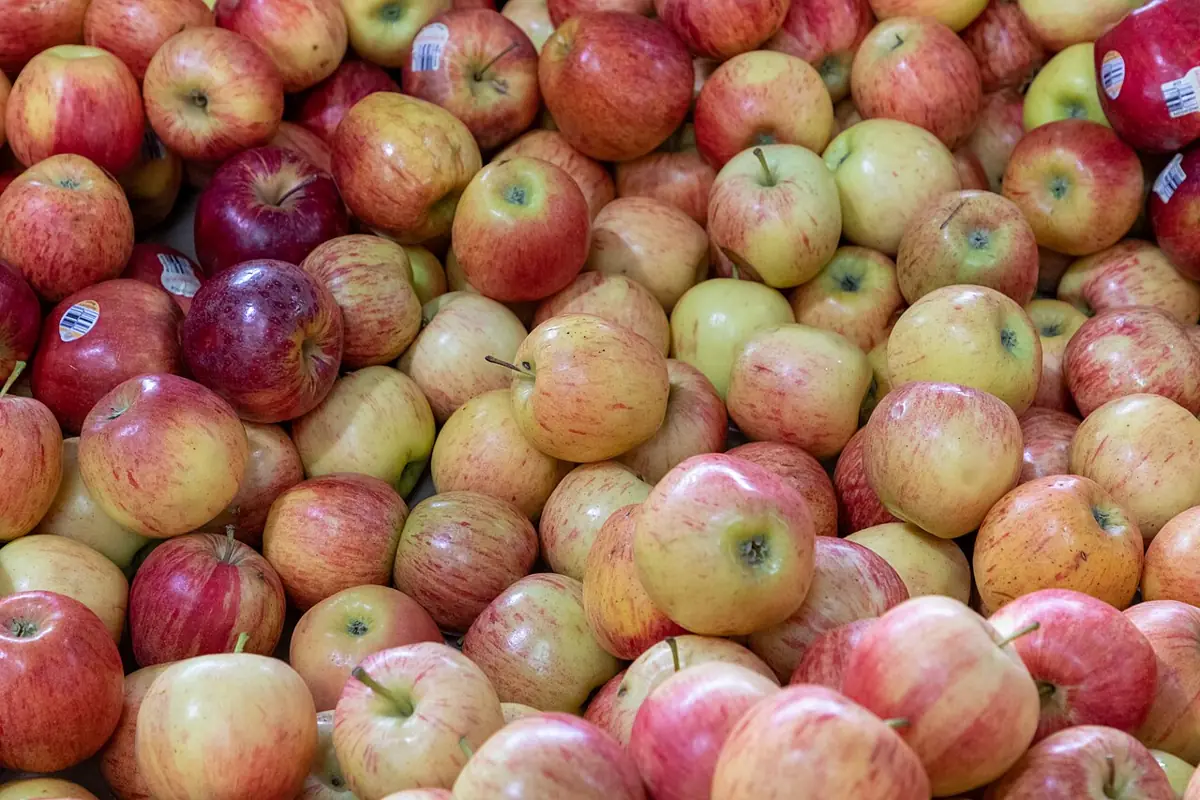
Photo: Melbourne (AU), Queen Victoria Market -- 2019 -- 1545.jpg by Dietmar Rabich, CC BY-SA 4.0, via Wikimedia Commons.

Food Tours Australia is an independent editorial site. We do not sell tours or publish operator prices, so this page focuses on decisions you can make with confidence before you look at a booking page. Where something changes often, such as opening hours, inclusions or prices, we tell you to check it with the operator.
Stage 1: choose the type of food tour
Australian food tours fall into a handful of formats. Each suits a different kind of traveller, and picking the wrong one is the most common reason people come away disappointed.
- Walking food tours move through a neighbourhood on foot with several short tasting stops. They suit people who want to understand a part of a city. See our walking food tours page.
- Market tours spend the morning in a produce hall with a guide who knows the traders. They suit cooks and early risers. See market tours.
- Winery and cellar-door tours take you into a wine region, usually with a driver, for tastings and often lunch. See winery tours and our winery day planning guide.
- Chef-guided tours and classes put a cook at the centre: a market shop followed by a lunch, or a hands-on class. See chef-guided tours.
- Seafood and dessert tours are themed versions of the formats above. See seafood and chocolate and dessert.
If you are unsure, our how to choose a food tour page walks through the decision, including when a self-guided day is the better choice. For a plain-English explanation of what happens on the day, read what to expect on a food tour.
Stage 2: choose a city or region
Once you know the format, the location usually follows. Some places are strong on walking tours; others are better for wine or produce days.
| If you want… | Start with | Read |
|---|---|---|
| Laneways, cafés and multicultural neighbourhoods | Melbourne | Melbourne food tours guide |
| Harbour city, seafood and inner-city suburbs | Sydney | Sydney food tours guide |
| A central market plus nearby wine regions | Adelaide | Adelaide, Barossa |
| A compact, produce-driven small city | Hobart | Hobart |
| A wine region within reach of a capital | Yarra Valley, Hunter Valley, Margaret River | Regions |
Our cities hub covers more than thirty towns and cities, from capitals to regional centres such as Daylesford, Orange and Mudgee. The regions hub focuses on wine and produce country.
Stage 3: time it with the seasons
Australia is large, so "the best time" depends on where you are going. A few principles hold almost everywhere:
- Southern cities and wine regions (Melbourne, Adelaide, Hobart, the Yarra, Barossa) are pleasant for walking from spring to autumn. Vintage, when grapes are picked, usually falls in late summer and autumn and makes cellar doors busy.
- Northern destinations (Cairns, Darwin, Port Douglas) are most comfortable in the dry season, roughly the cooler months of the year.
- Markets run all year, but what is on the stalls changes with the season. Our article on seasonal produce on food tours explains what to look for.
- School and public holidays fill weekend tours quickly. Book earlier if your dates overlap with them.
Stage 4: plan around dietary needs
Most operators will try to help with dietary requirements, but only if they know in advance, and some formats are much harder to adapt than others. A vegetarian can often enjoy a market tour, while a seafood tour may offer little for someone with a shellfish allergy.
Our food tours and dietary requirements guide covers allergies, coeliac disease, vegetarian and vegan diets, halal and kosher, and alcohol-free options. It also includes the questions to ask an operator before you book. For anaphylaxis risk, always follow your own medical action plan and the advice of ASCIA.
Stage 5: compare operators properly
When you have a shortlist, compare like with like. We never publish prices because they change and vary by season, but you can compare what the price buys:
- Group size. Smaller groups get more time with the guide and the producers.
- Number and type of stops. Is it a few generous tastings or many token bites?
- What is included. Drinks, transfers, a sit-down meal, take-home items.
- Duration and pace. Including how much walking or driving is involved.
- Dietary handling. Whether substitutions are offered or you simply skip a stop.
- Cancellation terms and weather policy.
Our how to choose page has a full checklist, and the food tours FAQ answers the questions people most often ask before booking.
The guides in this series
- What to expect on a food tour: how tours run, how much you eat, etiquette and what to bring.
- Melbourne food tours guide: laneways, markets and neighbourhoods.
- Sydney food tours guide: harbour, seafood and inner-city suburbs.
- Winery tour day planning: choosing a region, transport and pacing a tasting day.
- Food tours and dietary requirements: allergies, coeliac, vegetarian, vegan and more.
- Food tours FAQ: quick answers to common questions.
How we put this guide together
This guide is written by the Food Tours Australia editorial team. It draws on our city, region and experience pages, official tourism bodies such as Tourism Australia, industry bodies such as Wine Australia and, for allergy information, Food Standards Australia New Zealand. Read our editorial policy to see how we research and update our pages, and our about page for who runs the site. If you spot something that is out of date, please contact us.
All guides in this series
- What to expect on a food tour: how they run, how much you eat and etiquette — A plain-English guide to what actually happens on an Australian food tour: the structure of the day, how much food you get, drinks, walking, group etiquette, tipping, what to wear and what to bring.
- Melbourne food tours: laneways, markets and neighbourhoods — How to choose a food tour in Melbourne: the CBD laneways, Queen Victoria Market and the other produce halls, the multicultural neighbourhoods worth a guided walk, day trips to the Yarra Valley and Dandenongs, and how to plan around the weather.
- Sydney food tours: harbour, seafood and inner-city suburbs — How to choose a food tour in Sydney: The Rocks and the harbour, Sydney Fish Market and seafood tours, Chinatown and Haymarket, the multicultural suburbs of the west and inner west, farmers markets, and day trips to the Hunter Valley and Blue Mountains.
- Planning a winery tour day in Australia: regions, transport and pacing — How to plan a winery or cellar-door day in Australia: choosing a wine region near your base, guided tour versus driver versus self-drive, how many cellar doors to visit, tasting etiquette, booking lunch, and staying safe.
- Food tours and dietary requirements: allergies, coeliac, vegetarian and vegan — How to enjoy an Australian food tour with a dietary requirement: which tour types adapt easily, what to tell the operator and when, allergies and anaphylaxis, coeliac disease and gluten-free, vegetarian and vegan, halal and kosher, and alcohol-free options.
- Food tours FAQ: 26 questions about Australian food tours — Quick answers to the questions people ask most before booking a food tour in Australia: what is included, how long tours last, how much you eat, dietary requirements, children, tipping, weather, winery tours and how to choose an operator.
Frequently asked questions
What is a food tour?
A food tour is a guided outing built around tasting: usually a walk through a neighbourhood, a market visit, a winery or cellar-door day, or a chef-led session. You eat small serves at several stops and a guide explains the food, the producers and the area.
Which Australian city is best for a food tour?
There is no single best city. Melbourne and Sydney have the densest walking-tour scenes, Adelaide pairs a central market with nearby wine regions, and Hobart is compact and produce-driven. Pick the city that fits your trip, then pick a tour type.
How long does a food tour usually take?
Most city walking tours run for a few hours, while winery and regional food days usually take most of a day including transfers. Always check the duration listed by the operator before you book.
Do food tours cater for dietary requirements?
Many operators can cater for common requirements if you tell them when you book. Some tours, such as seafood or cheese-focused tours, are hard to adapt. Read our dietary requirements guide before booking.
Is a food tour worth it?
A good tour is worth it if you want context, access and a curated sequence of stops in a short time. If you mainly want a big meal, a well-chosen restaurant may suit you better. Our how-to-choose page compares the options.
Does Food Tours Australia sell tours?
No. We are an independent editorial site. We do not take bookings or publish operator prices. Some pages carry clearly labelled affiliate links, which never affect what we write.